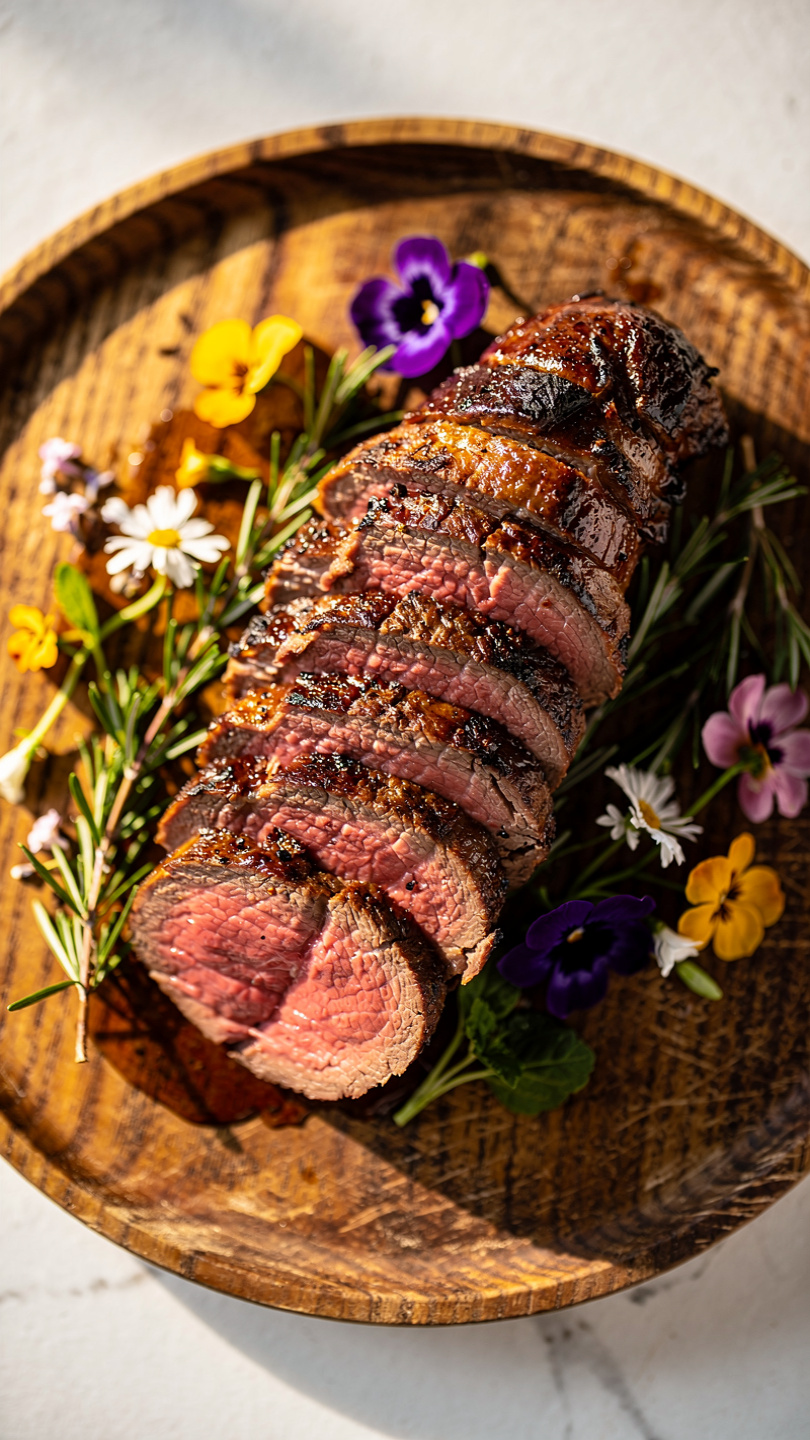
Perfect Oven-Roasted Beef Tenderloin Recipe
This oven-roasted beef tenderloin delivers a perfectly seared, melt-in-your-mouth filet mignon roast with a golden herb crust every single time. The ultimate centerpiece for holidays, date nights, or any occasion worth celebrating.
The Most Impressive Roast You Will Ever Pull Out of Your Oven
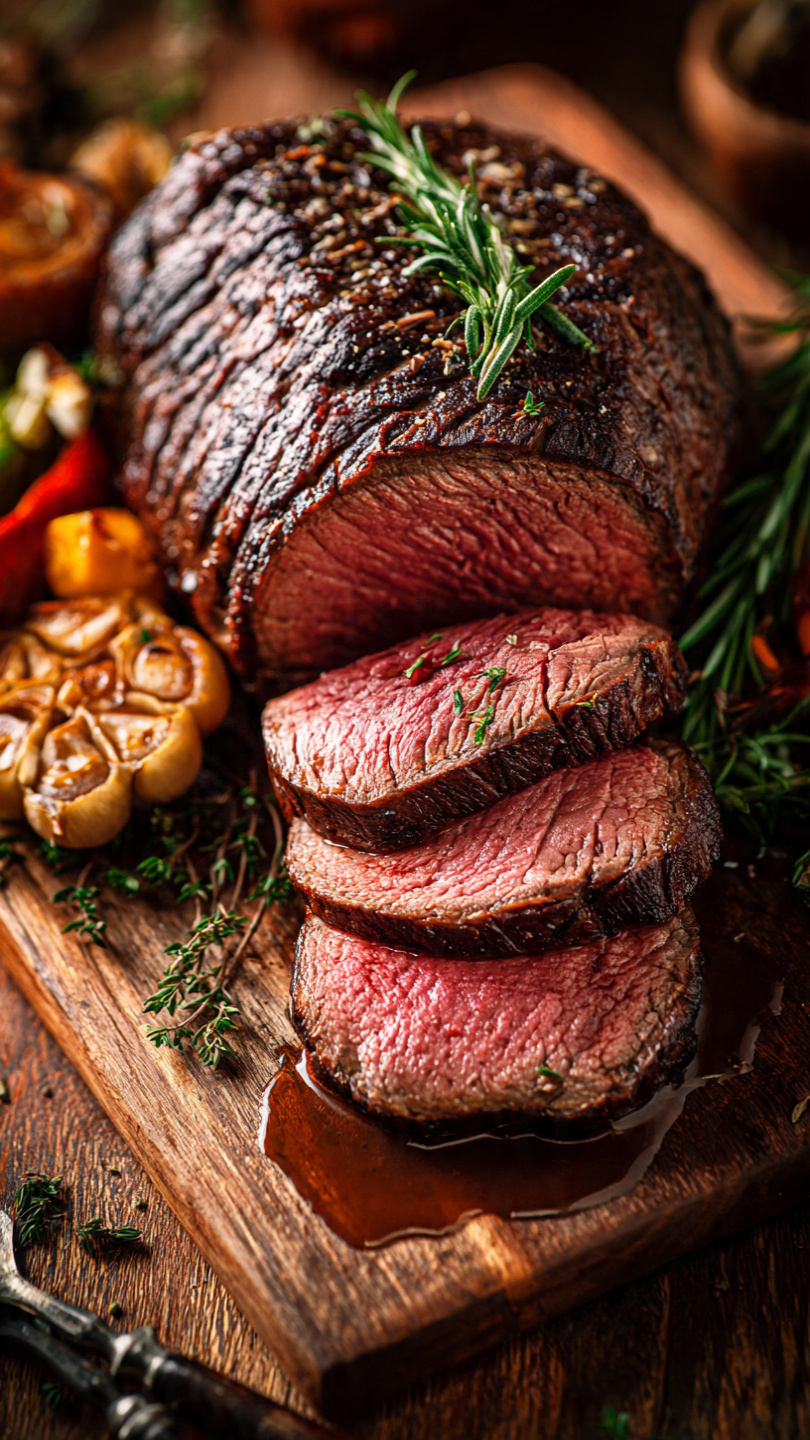
There is a reason a perfectly roasted beef tenderloin is the centerpiece of every great holiday table, anniversary dinner, and celebration feast. It is rich, buttery, and impossibly tender, with a herb-crusted exterior that gives way to a rose-pink, melt-in-your-mouth interior. This is the prime tenderloin roast recipe that will make your guests think you trained at a French culinary school.
And the best part? It is far easier than it looks.
Whether you are searching for oven baked beef tenderloin recipes that actually deliver, or you want the definitive guide to nailing a filet mignon tenderloin roast at home, you have landed in exactly the right place.
Before we get into the technique, the right tools really do make a difference here. A reliable instant-read meat thermometer is the single most important piece of equipment for this recipe, because internal temperature is everything with beef tenderloin. A quality cast iron skillet for searing is a close second.
What Makes This Beef Tenderloin Seasoning Recipe Stand Out
A lot of beef tenderloin seasoning recipes keep it simple, and that is honestly the right instinct. This cut is naturally so flavorful and tender that you do not want to overwhelm it. What sets this version apart is the herb-butter paste, a mixture of fresh rosemary, thyme, minced garlic, smoked paprika, and softened butter that gets pressed directly onto the roast before it hits the oven.
The result is a crust that is savory, fragrant, and deeply caramelized, almost like a salt baked beef tenderloin but with more aromatic complexity.
Chef's Tip: Pat your tenderloin completely dry before seasoning. Moisture is the enemy of a good sear. Dry meat browns; wet meat steams.
The Two-Step Method: Sear, Then Roast
The secret to every great roasted beef tenderloin recipe is a two-step cooking process. You start on the stovetop and finish in the oven.
Why sear first? Searing over screaming-hot heat creates the Maillard reaction, that gorgeous mahogany crust packed with deep, complex flavor. Without it, even a beautifully seasoned roast can look and taste pale.
Here is what the process looks like:
- Bring to room temperature for at least 45 to 60 minutes before cooking
- Sear hard in a cast iron pan with olive oil, 2 to 3 minutes per side
- Roast at 425 degrees F until the internal temperature hits your target
- Rest for 10 to 15 minutes before slicing, no exceptions
For medium-rare, pull the roast at 125 degrees F. For medium, aim for 135 degrees F. The temperature will continue to rise a few degrees as it rests.
Warning: Do not skip the resting period. Cutting into the roast too early will cause all those beautiful juices to run out onto your cutting board instead of staying in the meat.
Choosing the Right Cut
For a true filet mignon roast, you want a center-cut beef tenderloin, sometimes labeled as a Chateaubriand at the butcher counter. Ask your butcher to trim the silver skin for you if possible. That tough connective tissue does not break down in a short roast and will make the exterior chewy.
A 3-pound center-cut roast comfortably feeds 6 people as a main course. Scaling up? A 5-pound whole tenderloin works beautifully using the same technique, just add 10 to 15 minutes of oven time and verify with your thermometer.
Ready to make the most impressive dinner of the year? Here is the full step-by-step recipe:
Perfect Oven-Roasted Beef Tenderloin Recipe
This oven-roasted beef tenderloin delivers a perfectly seared, melt-in-your-mouth filet mignon roast with a golden herb crust every single time. The ultimate centerpiece for holidays, date nights, or any occasion worth celebrating.
Ingredients
- 3 lb beef tenderloin roast, center-cut, trimmed of silver skin
- 2 tsp kosher salt, or more to taste
- 1 1/2 tsp black pepper, freshly cracked
- 1 tsp garlic powder
- 1/2 tsp smoked paprika
- 2 tbsp fresh rosemary, finely chopped
- 1 tbsp fresh thyme leaves, stripped from stems
- 4 garlic cloves, minced
- 4 tbsp unsalted butter, softened, divided
- 2 tbsp olive oil, extra virgin
- 1 tbsp Dijon mustard, optional, for crust depth
Instruction
Remove the beef tenderloin from the refrigerator at least 45 to 60 minutes before cooking to allow it to come to room temperature. This ensures even cooking throughout.
Preheat your oven to 425 degrees F (220 degrees C). Line a rimmed baking sheet or roasting pan with a wire rack.
Pat the tenderloin completely dry with paper towels. Dryness is the key to a deep, golden sear.
In a small bowl, combine the kosher salt, cracked black pepper, garlic powder, smoked paprika, chopped rosemary, thyme, and minced garlic. Mix in 2 tablespoons of the softened butter to form a thick herb paste.
If using Dijon mustard, rub a thin layer all over the surface of the tenderloin first. Then press the herb-butter paste evenly over the entire roast, coating all sides generously.
Heat the olive oil in a large oven-safe skillet or cast iron pan over high heat until shimmering and just beginning to smoke.
Sear the tenderloin for 2 to 3 minutes per side, turning every couple of minutes to develop a deep mahogany crust on all sides, about 8 to 10 minutes total.
Transfer the seared tenderloin to the prepared wire rack on the baking sheet. Dot the top with the remaining 2 tablespoons of butter.
Roast in the preheated oven until a meat thermometer inserted into the thickest part reads 125 degrees F (52 degrees C) for medium-rare, or 135 degrees F (57 degrees C) for medium. This typically takes 20 to 30 minutes depending on thickness.
Remove the roast from the oven and tent loosely with aluminum foil. Rest for at least 10 to 15 minutes before slicing. Do not skip this step.
Slice against the grain into medallions about 1 inch thick and serve immediately.
Equipment
- Large cast iron skillet or oven-safe skillet
- Rimmed baking sheet with wire rack
- Instant-read meat thermometer
- Aluminum foil
- Cutting board
- Sharp carving knife
- Small mixing bowl
- Paper towels
Notes
Serving Suggestions and Variations
This oven baked beef tenderloin pairs beautifully with:
- Creamy mashed potatoes or potato gratin to soak up the pan drippings
- Roasted asparagus or haricots verts for color and freshness
- A classic red wine reduction or horseradish cream sauce spooned tableside
For a variation, try a Dijon and herb crust by spreading a thin layer of Dijon mustard over the roast before pressing on the herb-butter mixture. It adds a subtle tang and helps the crust adhere even better.
Leftovers, if you have any, are spectacular sliced cold over an arugula salad with shaved parmesan and a lemon vinaigrette. One roast, two incredible meals.