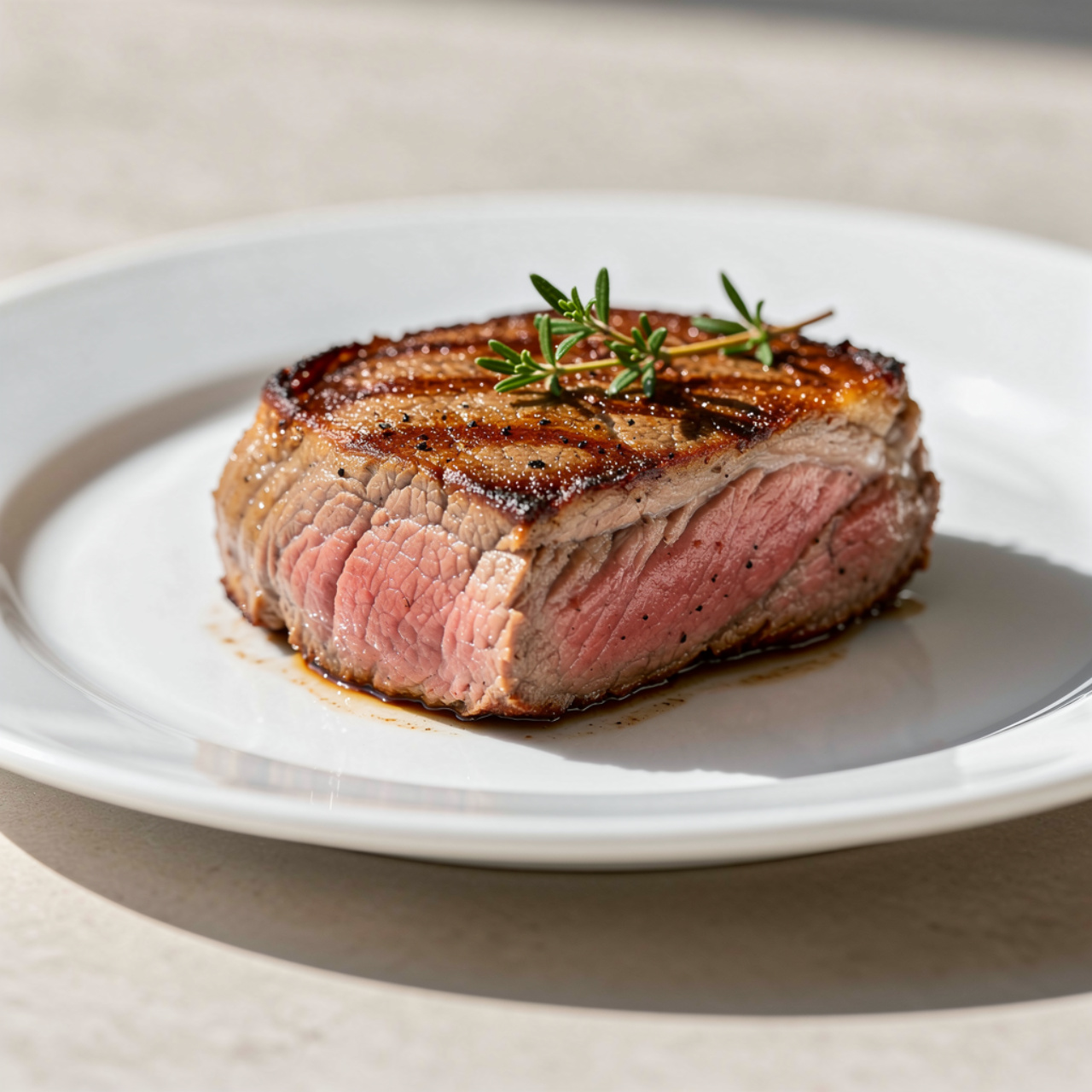
The Best Ever Juicy Beef Tenderloin Recipe (Oven or Cast Iron)
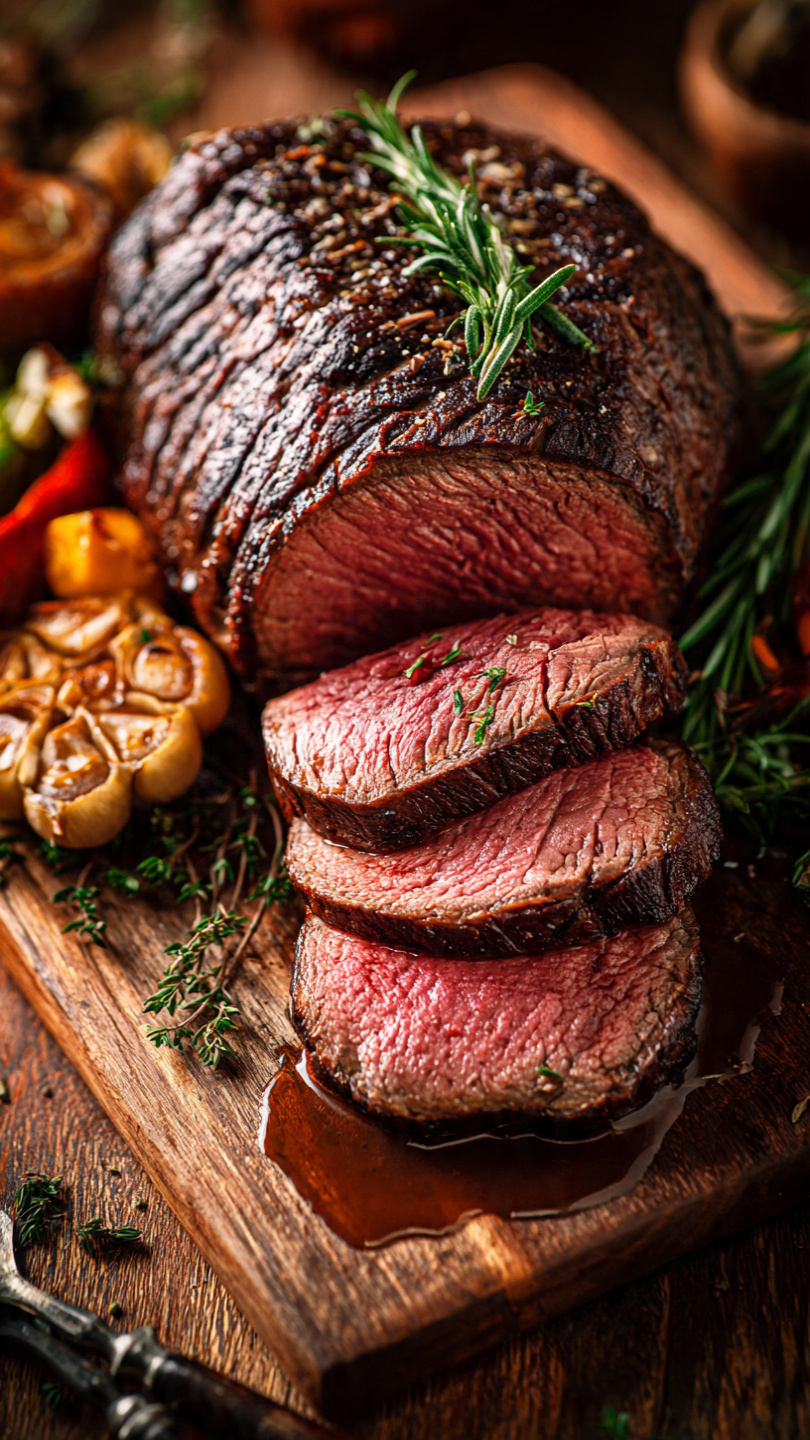
This juicy beef tenderloin recipe delivers a perfectly seared, buttery crust with a rosy, melt-in-your-mouth center every single time. Whether you use the oven or a cast iron skillet, this is the only beef tenderloin recipe you will ever need.

The Only Beef Tenderloin Recipe You Will Ever Need
There are a handful of recipes that make you feel like a truly confident cook the moment they come out of the oven. This juicy beef tenderloin recipe is one of them. It is the centerpiece roast for holidays, anniversaries, and any night you want to make something genuinely unforgettable. A crackling, herb-butter crust on the outside, a rosy and silky interior that practically melts on the tongue. Sounds intimidating? It absolutely does not have to be.
Whether you are searching for easy beef tenderloin recipes for the oven, wondering how to cook beef tenderloin in a cast iron skillet, or just looking for the best ever version of this classic, this guide walks you through every step with confidence.
Why Beef Tenderloin Deserves Its Reputation
Beef tenderloin is cut from the loin of the cow, a muscle that does very little work. That is exactly why it is so extraordinarily tender. There is almost no connective tissue, no chew, just pure, buttery beef. It is naturally lean, which means the flavor comes from technique: a screaming-hot sear, a generous seasoning crust, and a bath of herb-infused brown butter.
This is not a weeknight recipe you rush through. It is a 60-minute commitment that pays off in the most spectacular way at the dinner table.
Chef's Tip: The single most important thing you can do for a beef tenderloin is let it come to room temperature before it hits the pan. A cold center leads to uneven cooking, and nobody wants gray meat surrounding a raw core.
Cast Iron or Oven? Here Is the Answer
The short answer: both, together. This is the secret behind the best beef tenderloin recipes using cast iron. You sear it hard on the stovetop in a ripping-hot cast iron skillet to build that deep mahogany crust, then you slide the entire pan directly into a hot oven to gently bring the interior to the perfect temperature without drying it out.
Cast iron holds and distributes heat like nothing else, which means even searing on all sides without hot spots or steaming. It is the one pan that genuinely earns its place in this recipe.
Having the right tools and quality ingredients really does make the difference between a good roast and an extraordinary one. Here are the products that make this easy beef tenderloin dinner come together beautifully:
Seasoning: Simple Is Best
You do not need a complicated spice rub to make this shine. A bold, straightforward blend of kosher salt, freshly cracked black pepper, garlic powder, and smoked paprika is all the flavor the exterior needs. The real depth comes from basting with butter, smashed garlic, fresh rosemary, and thyme directly in the pan.
For an optional finishing touch, a thin swipe of Dijon mustard right before slicing adds a gentle tang that cuts through the richness of the butter-basted crust beautifully.
Chef's Tip: If you have time, season the tied roast and leave it uncovered in the refrigerator overnight. This dry-brining technique concentrates the surface moisture into a deeply seasoned, lacquer-like crust once it hits the hot pan.
How To Cook Beef Tenderloin Perfectly Every Time
The key to a simple cast iron beef tenderloin that rivals any steakhouse roast comes down to three things:
- A very hot pan before the meat ever touches it
- Patience during the sear, turning only when a true crust has formed
- A reliable instant-read thermometer, because guessing on a tenderloin is not a risk worth taking
Target 125 degrees F for medium-rare or 130 degrees F for medium. Pull it at those numbers and let carryover cooking do the rest during the resting period. Slice too early and you lose everything the rest was working to preserve.
Ready to make the best ever beef tenderloin at home? Here is the full recipe:
The Best Ever Juicy Beef Tenderloin Recipe (Oven or Cast Iron)
This juicy beef tenderloin recipe delivers a perfectly seared, buttery crust with a rosy, melt-in-your-mouth center every single time. Whether you use the oven or a cast iron skillet, this is the only beef tenderloin recipe you will ever need.
Ingredients
- 3 lb beef tenderloin roast, center-cut, trimmed of silver skin and excess fat, tied with kitchen twine
- 2 tsp kosher salt, plus more to taste
- 1 1/2 tsp black pepper, freshly cracked
- 1 tsp garlic powder
- 1/2 tsp smoked paprika
- 2 tbsp olive oil, extra virgin, for searing
- 4 tbsp unsalted butter, divided; 2 for searing, 2 for basting
- 5 garlic cloves, smashed and left whole
- 3 fresh rosemary sprigs
- 4 fresh thyme sprigs
- 1 tbsp Dijon mustard, optional, for finishing glaze
Instruction
Remove the beef tenderloin from the refrigerator at least 45 to 60 minutes before cooking to allow it to come to room temperature. This step is critical for even cooking.
Preheat your oven to 425 degrees F (220 degrees C). If using only cast iron on the stovetop, skip the oven preheat.
Pat the tenderloin completely dry with paper towels. Mix together the kosher salt, cracked black pepper, garlic powder, and smoked paprika in a small bowl, then rub the seasoning blend generously over every surface of the roast.
Heat a large oven-safe cast iron skillet over high heat until it is smoking hot, about 2 to 3 minutes. Add the olive oil and 2 tablespoons of butter.
Sear the tenderloin on all sides, including the ends, turning every 60 to 90 seconds until a deep, mahogany-brown crust forms all over, about 6 to 8 minutes total.
Add the smashed garlic cloves, rosemary sprigs, and thyme sprigs to the pan. Add the remaining 2 tablespoons of butter. Tilt the pan slightly and spoon the melted herb butter over the tenderloin repeatedly for about 1 minute.
Transfer the cast iron skillet directly into the preheated oven. Roast for 20 to 25 minutes, or until a meat thermometer inserted into the thickest part reads 125 degrees F (52 degrees C) for medium-rare or 130 degrees F (54 degrees C) for medium.
Remove the skillet from the oven and transfer the tenderloin to a cutting board. Tent it loosely with foil and let it rest for at least 10 minutes. The internal temperature will continue to rise by about 5 degrees during resting.
If desired, brush with a thin layer of Dijon mustard for a subtle tangy finish just before slicing.
Remove kitchen twine, slice into 1-inch medallions, and serve immediately with the pan drippings spooned over the top.
Equipment
- Large oven-safe cast iron skillet (12-inch recommended)
- Instant-read meat thermometer
- Kitchen twine
- Cutting board
- Aluminum foil
- Tongs
- Small mixing bowl
- Basting spoon or large spoon
Notes
Serving Suggestions and Variations
This roast is stunning on its own, but a few well-chosen sides turn it into a full celebration meal. Think creamy mashed potatoes, roasted asparagus with lemon, or a sharp and tangy horseradish cream sauce served tableside.
For a simple cast iron venison tenderloin variation, this exact recipe adapts wonderfully. Venison tenderloin is even leaner than beef, so reduce the oven time slightly and pull it at 120 degrees F to keep it rosy and tender rather than dry.
Leftovers, if you have any, make spectacular next-day sandwiches on crusty bread with Dijon and arugula. Consider yourself lucky if you get there.