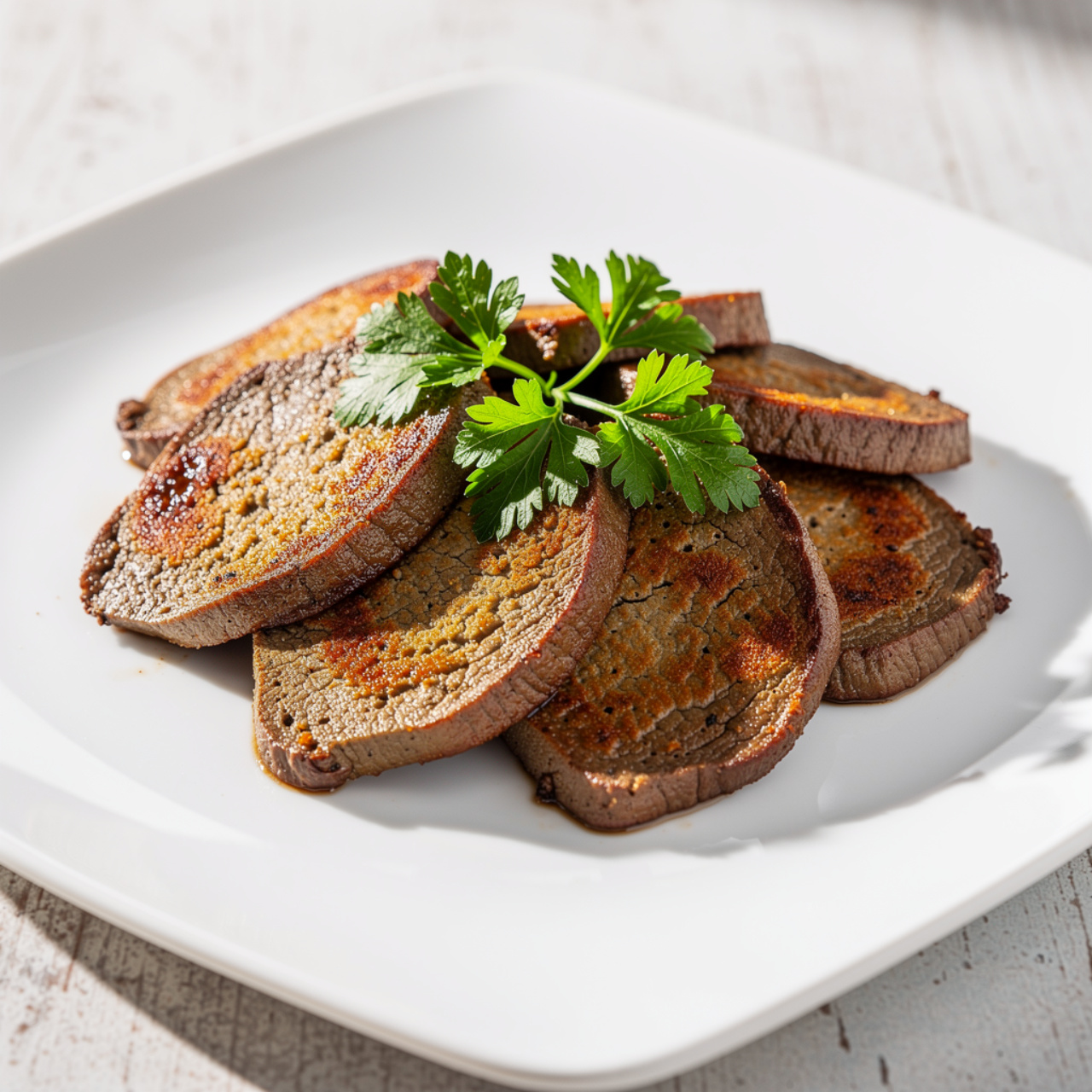
The Absolute Best Beef Liver and Onions Recipe
Learn how to cook beef liver and onions the right way: tender, golden, and completely free of that bitter bite. This classic organ meat recipe is ready in under 30 minutes and packed with iron and protein.

The Recipe That Finally Made Me Love Beef Liver
For years, beef liver had a reputation problem. Overcooked, underseasoned, and served without ceremony, it became the dish that generations of children pushed to the edges of their plates. But here is the truth: a properly cooked bowl of beef liver and onions is one of the most satisfying, deeply savory meals you can put on a dinner table. Rich, golden-edged liver, draped in sweet caramelized onions and finished with a glossy pan sauce. It is the kind of meal that earns you a second helping before you have even finished the first.
This is the absolute best liver and onions recipe I know, built around a few simple techniques that make all the difference between rubbery disappointment and something genuinely crave-worthy. Whether you are new to cooking liver and onions or you grew up eating beef organs and want to refine your method, this guide has everything you need.
Why Beef Liver Deserves a Spot in Your Weekly Rotation
Before we talk technique, let's talk about why eating beef liver is worth your time beyond nostalgia.
Beef liver is one of the most nutrient-dense foods on the planet. A single serving delivers:
- An extraordinary amount of iron, making it a go-to for anyone dealing with fatigue or anemia
- High-quality complete protein in every bite
- Vitamin B12 at levels that rival almost any other food source
- Vitamin A, folate, copper, and zinc, all in meaningful quantities
If you are exploring organ meat recipes, beef liver is the best place to start. It is affordable, widely available, and once you know how to prepare and cook beef liver the right way, it becomes genuinely delicious rather than merely nutritious.
The Two Things That Make or Break This Recipe
Cooking liver and onions comes down to two non-negotiable techniques.
First: the milk soak. Submerging your liver slices in cold milk for at least 30 minutes before cooking pulls out the metallic, bitter compounds that most people find unpleasant. This one step completely transforms the eating experience. Do not skip it.
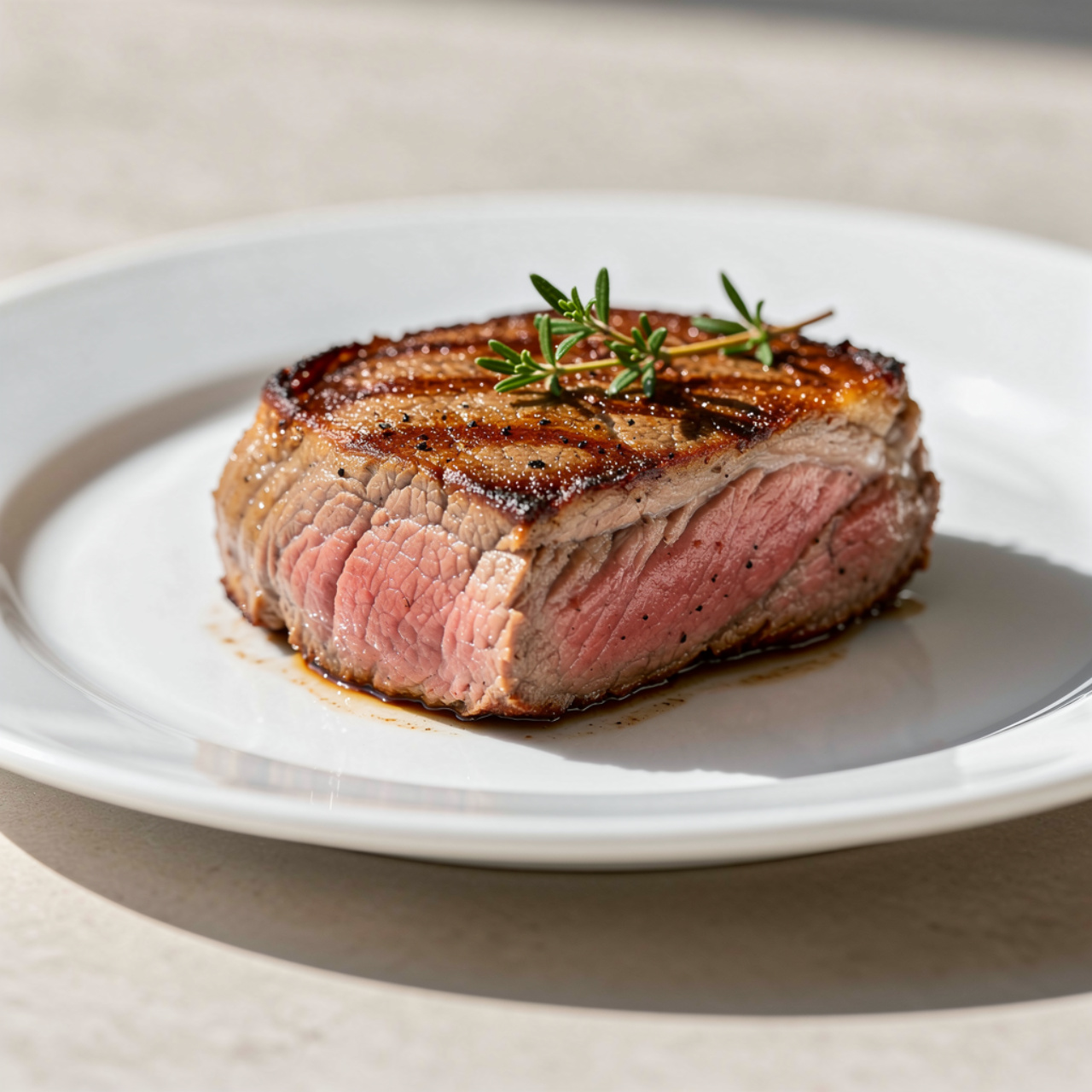
Second: do not overcook. This is where most home cooks go wrong. Beef liver is not a cut that benefits from long, slow cooking. It wants to be seared hot and fast, with just enough time to develop a golden crust while staying slightly pink and tender inside. Overcooked liver turns gray, grainy, and tough. Two to three minutes per side over medium-high heat is your target.
Chef's Tip: Pat the liver completely dry after soaking and before dredging. Moisture is the enemy of a good sear. Dry surface = golden crust. Wet surface = steamed, pale, sad liver.
Getting the Right Tools for the Job
The pan you use matters more here than in almost any other recipe. A cast-iron skillet or a heavy stainless-steel pan retains heat evenly and gives you the kind of fierce, consistent sear that builds real flavor. A thin non-stick pan will cool down the moment the liver hits it, and you will end up steaming instead of searing.
How to Caramelize Onions Properly (Don't Rush This Part)
The onions are not a garnish. They are half the recipe. Sweet, jammy, deeply golden onions are what balance the richness of the liver and tie the whole dish together.
The key is patience and low-to-medium heat. You are not frying onions; you are slowly coaxing their natural sugars to the surface over 15 to 18 minutes. Stir occasionally, season with a pinch of salt early on to draw out moisture, and resist the urge to crank up the heat.
When the onions are a deep amber color and smell almost sweet, they are ready. Add the garlic in the last two minutes so it softens and becomes fragrant without burning.
Warning: Adding garlic too early will cause it to burn before your onions are done. Patience with the garlic pays off every time.
Serving Suggestions
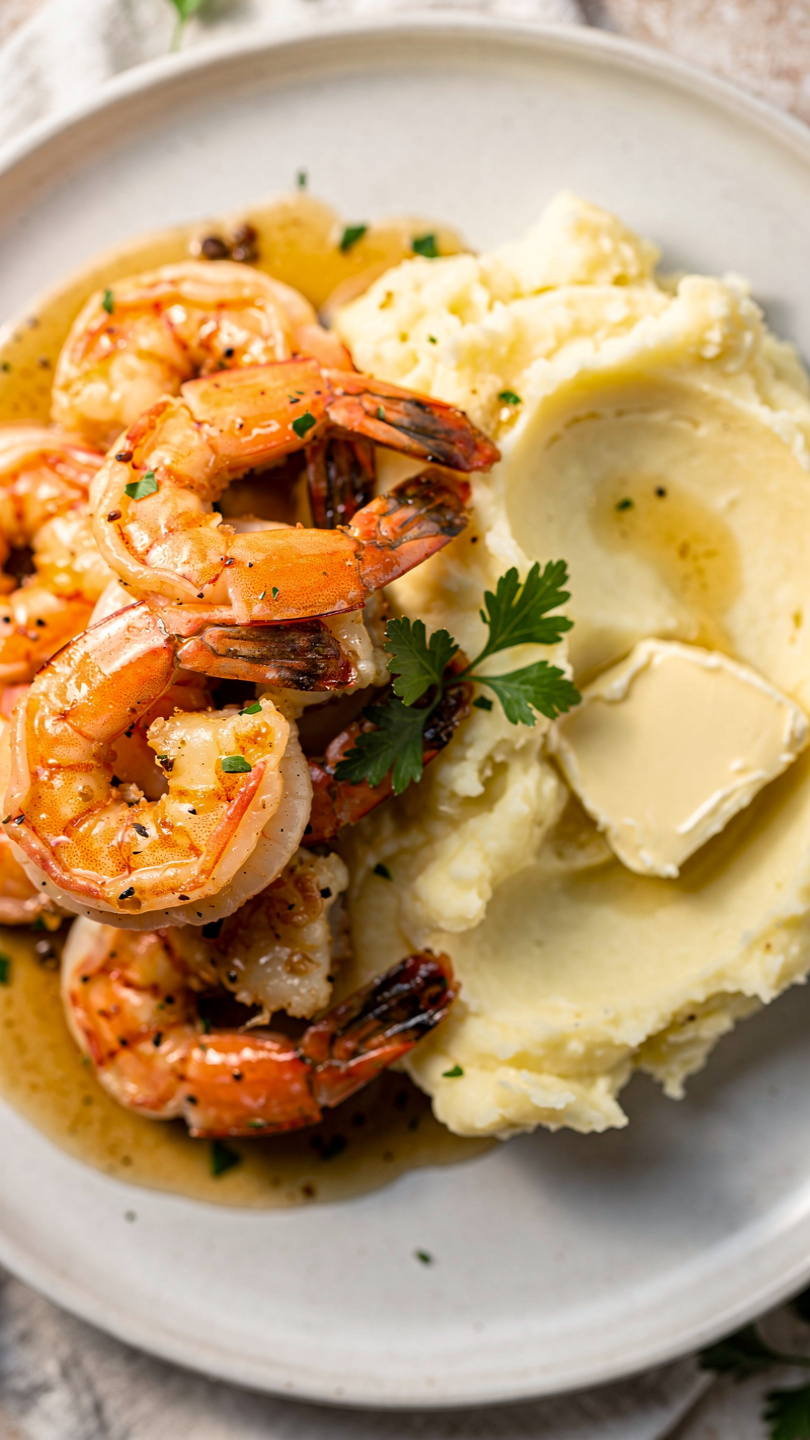
Classic beef liver and onions is wonderful over a pile of creamy mashed potatoes, which soak up the pan sauce beautifully. It also works well alongside:
- Buttered egg noodles for a hearty, old-fashioned feel
- Steamed white rice for something lighter
- Crusty sourdough bread to mop up every last drop of that glossy Worcestershire pan sauce
- A simple green salad to brighten the plate
A squeeze of fresh lemon over the top right before serving adds a pop of brightness that really elevates the whole dish.
Ready to finally make the absolute best liver and onions of your life? Here is the full recipe:
The Absolute Best Beef Liver and Onions Recipe
Learn how to cook beef liver and onions the right way: tender, golden, and completely free of that bitter bite. This classic organ meat recipe is ready in under 30 minutes and packed with iron and protein.
Ingredients
- 1 1/2 lb beef liver, sliced into 0.5-inch strips, soaked in milk for 30 minutes and patted dry
- 1 cup whole milk, for soaking, discarded before cooking
- 2 large yellow onions, thinly sliced into half-moons
- 3 tbsp unsalted butter, divided
- 2 tbsp olive oil, divided
- 1/2 cup all-purpose flour, for dredging
- 3 garlic cloves, minced
- 1/4 cup beef broth, optional, for deglazing the pan
- 1 tbsp Worcestershire sauce
- 1 tsp kosher salt, plus more to taste
- 1/2 tsp black pepper, freshly cracked
- 2 tbsp fresh flat-leaf parsley, chopped, for garnish
Instruction
Place the sliced beef liver in a shallow bowl and pour the milk over it. Let it soak for at least 30 minutes at room temperature, or up to 2 hours in the refrigerator. This step is essential for drawing out bitterness and tenderizing the meat.
Remove the liver from the milk and pat each piece completely dry with paper towels. Discard the milk. Season the liver lightly with salt and pepper.
Spread the flour on a plate. Dredge each slice of liver in the flour, shaking off any excess so you have a thin, even coating.
Heat 1 tablespoon of butter and 1 tablespoon of olive oil in a large cast-iron skillet or heavy-bottomed pan over medium heat. Add the sliced onions and a pinch of salt. Cook, stirring occasionally, for 15 to 18 minutes until the onions are deeply golden and caramelized. Add the garlic during the last 2 minutes. Transfer the onions to a plate and set aside.
Increase the heat to medium-high. Add the remaining butter and olive oil to the same pan. Once the butter is foaming, add the dredged liver slices in a single layer. Do not crowd the pan. Work in batches if needed.
Sear the liver for 2 to 3 minutes per side until browned on the outside but still slightly pink in the center. Overcooking will make the liver tough and grainy, so watch it closely.
Add the Worcestershire sauce and the beef broth to deglaze the pan, scraping up any browned bits from the bottom. Let it bubble for about 30 seconds.
Return the caramelized onions to the pan and toss everything together gently. Taste and adjust seasoning.
Transfer to a serving plate, garnish generously with fresh parsley, and serve immediately.
Equipment
- Large cast-iron skillet or heavy-bottomed stainless steel pan
- Shallow bowl for soaking
- Plate for dredging
- Paper towels
- Sharp chef's knife
- Cutting board
- Wooden spoon or silicone spatula
- Tongs
Notes
Variations Worth Trying
Once you are comfortable with the base recipe, there are plenty of ways to branch out:
- Add bacon. Render a few strips of thick-cut bacon before cooking the onions. Use the fat in place of butter for an even deeper, smokier flavor.
- Try elk liver. If you have access to wild game, elk liver and other wild-harvested beef organs are exceptional prepared this way. Soak a full hour given the stronger flavor.
- Make it Italian-style. Add a splash of dry white wine to the deglaze and finish with fresh sage instead of parsley.
- Go creamy. Stir a tablespoon of heavy cream into the pan sauce at the very end for something indulgent and restaurant-worthy.
Cooking liver and onions well is a skill that pays dividends every time. Once you have nailed this recipe, you will wonder why it took so long to come back to it.