Keto Korean Ground Beef Bowl
This Keto Korean Ground Beef Bowl delivers bold, savory flavors in under 30 minutes with just one pan. A low carb Korean beef bowl that tastes like takeout but fits perfectly into your keto lifestyle.

The Keto Korean Ground Beef Bowl You Will Make on Repeat
Some weeknight dinners earn permanent spots in your rotation, and this Keto Korean Ground Beef Bowl is exactly that kind of recipe. It comes together in a single skillet in about 25 minutes, uses pantry staples you probably already have, and delivers the kind of deep, savory, slightly sweet flavor you normally associate with your favorite Korean takeout spot. The difference? This version is low carb, keto-friendly, and completely guilt-free.
Whether you have been searching for keto beef bowl ideas, craving a low carb Korean beef bowl, or just need a fast and satisfying dinner that the whole family will actually eat, this recipe checks every box.
Why This Recipe Works
Traditional Korean beef dishes like bulgogi use sugar, soy sauce, and sometimes pear juice for sweetness and depth. This keto version swaps those carb-heavy ingredients for smart alternatives without sacrificing any of the bold, caramelized flavor:
- Coconut aminos replace soy sauce with a slightly sweeter, lower-sodium option that adds umami without the carbs.
- Erythritol or monk fruit sweetener mimics the subtle sweetness of Korean-style beef perfectly.
- Gochujang paste (use a low-sugar variety) delivers that signature fermented, slightly smoky heat that makes keto Korean beef taste so authentic.
- Cauliflower rice rounds the bowl out with a neutral, fluffy base that soaks up every drop of that gorgeous sauce.
The result is a keto Korean beef bowl that tastes anything but diet food.
Using the right pantry ingredients makes a genuine difference in recipes like this one. A good quality toasted sesame oil and a low-sugar gochujang are the two ingredients worth spending a little extra on here.
Tips for the Best Keto Ground Beef Bowl
Choose 80/20 Ground Beef
Do not reach for the leanest ground beef on the shelf. The fat in 80/20 beef bastes the meat as it cooks, keeping it juicy and helping the sauce cling and caramelize beautifully. Leaner beef tends to turn dry and grainy in a hot pan.
Get the Pan Screaming Hot
A common mistake is adding beef to a cold or lukewarm pan. High heat encourages browning rather than steaming, and browned beef = more flavor. Let the skillet heat for a full minute before the beef goes in.
Chef's Tip: Cook the beef in a single layer without stirring for the first 2 to 3 minutes. This lets a golden crust develop on the bottom, which adds a layer of savory depth you simply cannot get by stirring constantly.
Do Not Skip the Fresh Ginger
Ground ginger in a jar is convenient, but fresh grated ginger brings a brightness and warmth to this keto Asian ground beef recipe that the dried version just cannot replicate. A small knob of ginger goes a long way and keeps for weeks in the freezer.
How to Serve Your Keto Korean Beef Bowl
Cauliflower rice is the classic low carb base here, but you have plenty of options:
- Shredded napa cabbage for a fresh, crunchy contrast
- Zucchini noodles if you want something lighter
- Butter lettuce cups for a fun, handheld presentation
- A soft-boiled egg perched right on top for extra richness
For garnishes, do not be shy. A generous scatter of toasted sesame seeds, a handful of sliced green onions, and a drizzle of extra sesame oil right before serving elevate this from a simple weeknight meal to something that genuinely looks restaurant-worthy.
Ready to bring this one together? Here is everything you need:
Keto Korean Ground Beef Bowl
This Keto Korean Ground Beef Bowl delivers bold, savory flavors in under 30 minutes with just one pan. A low carb Korean beef bowl that tastes like takeout but fits perfectly into your keto lifestyle.
Ingredients
- 1 1/2 lb ground beef, 80/20 fat ratio recommended
- 1 tbsp sesame oil, toasted
- 3 tbsp coconut aminos, soy sauce substitute, keto-friendly
- 4 cloves garlic, minced
- 1 tsp fresh ginger, grated
- 1 tsp gochujang paste, check label for low-sugar variety
- 1 tbsp rice wine vinegar, unseasoned
- 1 tsp erythritol or monk fruit sweetener, granulated, adjust to taste
- 1/2 tsp crushed red pepper flakes, optional, for heat
- 3 stalks green onions, thinly sliced, whites and greens separated
- 1 tbsp sesame seeds, toasted, for garnish
- 3 cups cauliflower rice, fresh or frozen, for serving
- 1 tbsp avocado oil, or any neutral high-heat oil
Instruction
If using frozen cauliflower rice, microwave or pan-cook it according to package directions. Set aside and keep warm.
Heat avocado oil in a large skillet or wok over medium-high heat until shimmering.
Add the white parts of the green onions and minced garlic. Sauté for 1 minute until fragrant.
Add the ground beef, breaking it apart with a wooden spoon. Cook for 6 to 8 minutes until fully browned and no pink remains. Drain excess fat if needed.
While the beef cooks, whisk together the coconut aminos, sesame oil, grated ginger, gochujang paste, rice wine vinegar, erythritol, and red pepper flakes in a small bowl.
Pour the sauce over the cooked beef and stir well to coat evenly. Cook for 2 more minutes, letting the sauce reduce slightly and caramelize onto the meat.
Taste and adjust seasoning, adding more gochujang for heat or coconut aminos for saltiness.
Serve the Korean beef over a bed of cauliflower rice. Garnish generously with sliced green onion tops and toasted sesame seeds.
Equipment
- Large skillet or wok (12-inch)
- Small mixing bowl
- Whisk
- Wooden spoon or spatula
- Microwave-safe bowl or small saucepan (for cauliflower rice)
- Measuring spoons
- Chef's knife and cutting board
Notes
Storing, Freezing, and Meal Prepping
This low carb Korean beef bowl was practically designed for meal prep. The beef mixture holds up beautifully in the refrigerator for up to 4 days and actually tastes better on day two as the flavors meld together.
Pro tip: store the beef and cauliflower rice in separate containers so the rice does not absorb too much moisture and turn mushy.
For freezing, portion the cooled beef into zip-lock bags or airtight containers and freeze for up to 2 months. Thaw overnight in the refrigerator and reheat in a skillet with a splash of water or broth to loosen the sauce back up.
If you enjoy bold Korean flavors in a keto-friendly format, you might also love experimenting with keto Korean short ribs or a keto Asian ground beef stir-fry using the same sauce base. The coconut aminos and gochujang combination is genuinely versatile across dozens of low carb recipes.
Frequently Asked Questions
Similar Posts
Shaved Beef Steak Recipe (Quick, Juicy, and Packed with Flavor)
Mexican Shredded Beef Recipe (Easy, Tender, and Full of Flavor)
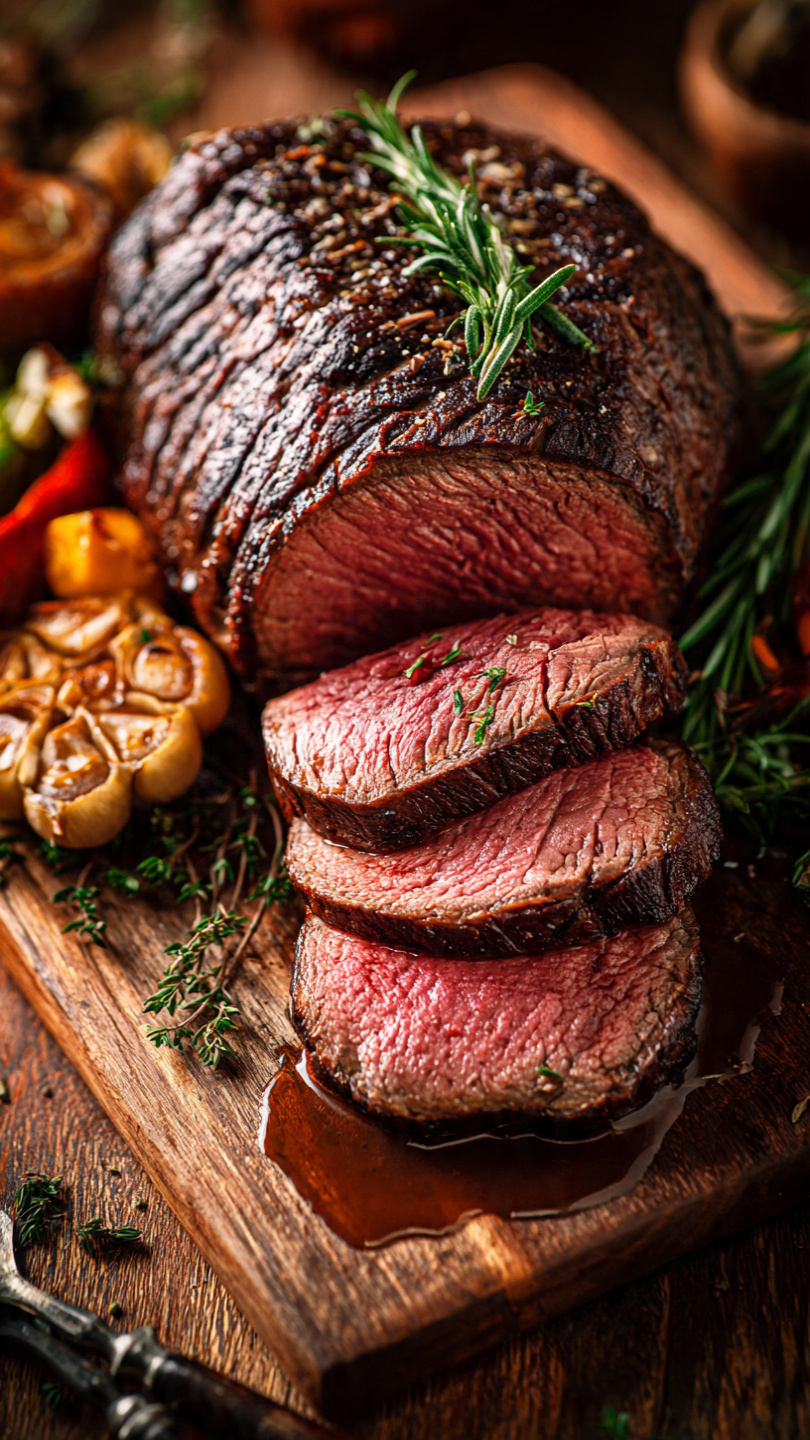
Perfect Roast Beef Recipe (Juicy, Tender, and Full of Flavor)