Crispy Shrimp Tempura (Better Than Takeout!)
This easy shrimp tempura recipe delivers ultra-light, shatteringly crispy batter every time using simple Japanese techniques you can master right at home in a wok or deep pot.

The Crispiest Shrimp Tempura You Will Ever Make at Home
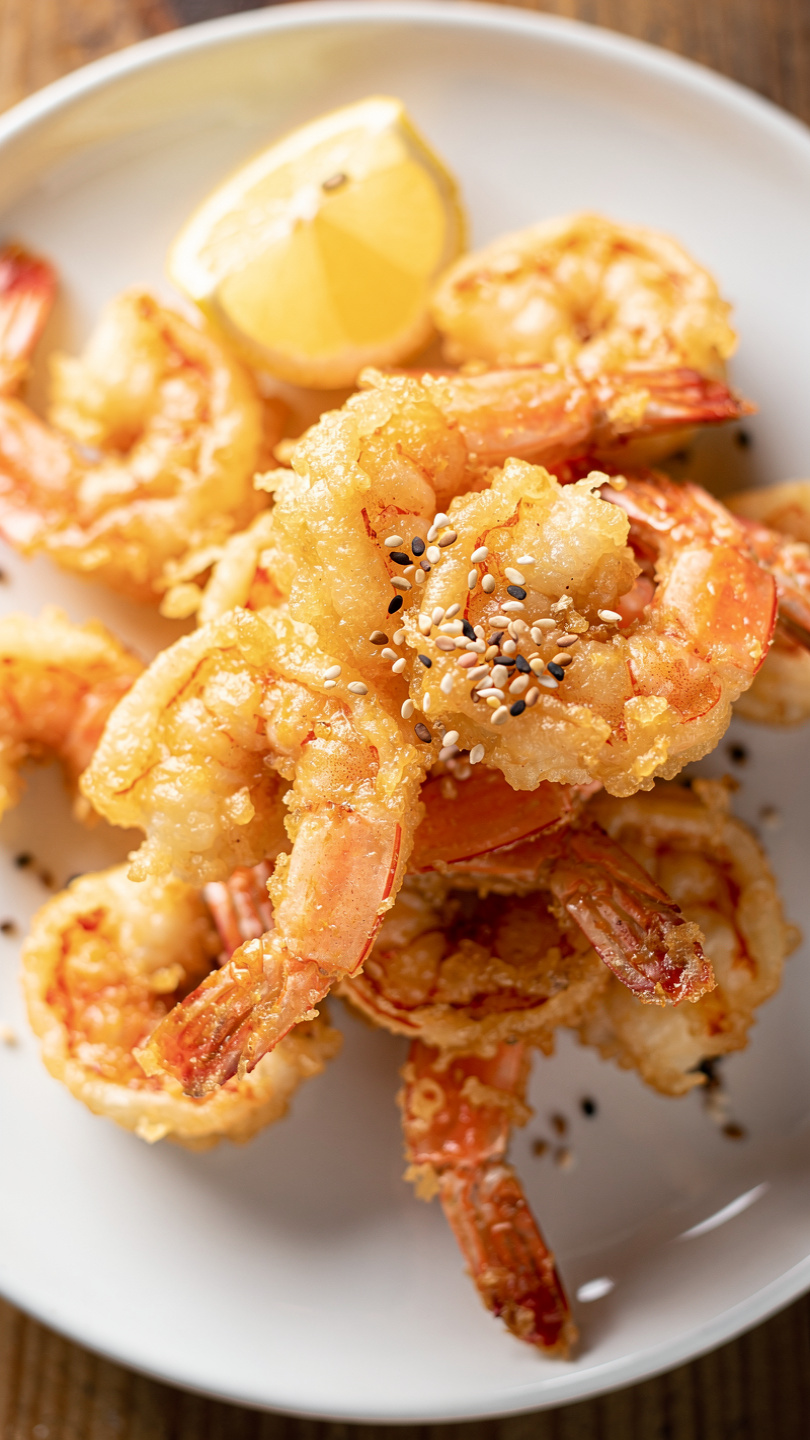
There is something almost magical about a perfectly fried piece of shrimp tempura. The batter is so light it practically disappears on the shrimp, leaving behind a sheer, golden, shatteringly crispy shell that crackles with every bite. If you have only ever had shrimp tempura at a restaurant or as part of a sushi order, making it yourself at home might feel intimidating. But here is the truth: this easy shrimp tempura dish is actually one of the more forgiving frying projects you can take on, and once you understand a few core principles, you will be turning out results that rival your favorite Japanese spot.
This recipe works beautifully as a shrimp tempura dinner idea on its own with steamed rice and dipping sauce, tucked into a shrimp tempura teriyaki bowl, or sliced and rolled into homemade sushi. However you serve it, the method stays the same, and the results are consistently spectacular.
Why Japanese Tempura Batter Is Different From Everything Else
Most fried foods rely on a thick, seasoned coating that puffs up and browns deeply. Tempura works in the opposite direction. The goal is a batter so thin and cold that it creates steam pockets as it hits the hot oil, forming a lacy, delicate crust rather than a doughy shell. That is why the Japanese shrimp batter recipe you will find here uses ice cold water, minimal mixing, and a touch of cornstarch alongside the flour.
The cold temperature slows gluten development, and the lumpy, underdeveloped batter is exactly what you want. If your batter looks smooth and uniform, you have already overmixed it. Embrace the lumps. They are your friends.
Chef's Tip: Set your mixing bowl inside a larger bowl filled with ice while you work. It keeps the batter cold from start to finish and makes a noticeable difference in the final texture.
The other non-negotiable is oil temperature. Too cool and the shrimp will absorb oil and turn greasy. Too hot and the batter browns before the shrimp cooks through. A steady 350 degrees F (175 degrees C) is the sweet spot, and a good instant-read thermometer is the only way to know for sure.
The right equipment and quality ingredients genuinely transform this recipe. Using a proper wok for heat distribution, a reliable thermometer, and a light neutral oil with a high smoke point are the details that separate good tempura from great tempura.
How To Make Shrimp Tempura In A Wok
A wok is the traditional vessel for this recipe, and for good reason. Its shape concentrates oil in the center while the sloping sides give you room to work and flip without splashing. That said, a Dutch oven or deep cast iron pot does the job just as well if that is what you have.
Here is how the process breaks down:
- Prep the shrimp first. Scoring the belly and pressing the shrimp flat keeps them from curling into a tight ball in the oil, giving you those long, elegant pieces you see at sushi restaurants.
- Make the dipping sauce before you fry. The tsuyu sauce of dashi, soy, and mirin just needs a quick simmer and then it can sit happily while you fry.
- Dredge in plain flour before battering. This extra step creates a dry surface the batter can actually grip, preventing it from sliding off in the oil.
- Fry in small batches. Adding too many shrimp at once drops the oil temperature rapidly, which leads to greasy, soft results. Four to five shrimp per batch is ideal.
- Drain on a wire rack, not paper towels. Wire racks let steam escape from all sides. Paper towels trap it underneath and immediately soften the crust you just worked to create.
Warning: Never walk away from hot frying oil. Keep a lid or splatter screen nearby and always lower shrimp away from yourself into the oil rather than dropping them in.
Serving Ideas: From Shrimp Tempura Dinner to Sushi Night
One of the best things about this recipe is how many directions you can take it. Here are a few favorite ways to serve it:
- Classic shrimp tempura dinner: Serve over steamed Japanese short-grain rice with warm dipping sauce, grated daikon, and a bowl of miso soup on the side.
- Shrimp tempura sushi rolls: Let the shrimp cool for a few minutes, slice lengthwise, and use them in a classic crunchy roll with cucumber and avocado.
- Shrimp tempura teriyaki bowl: Arrange the crispy shrimp over rice, drizzle with teriyaki sauce, and top with sliced green onions and sesame seeds for a restaurant-quality rice bowl at home.
- Appetizer platter: Serve a small stack of tempura shrimp as a starter with individual dipping bowls. They are always the first thing to disappear.
Ready to fry? Here is the full step-by-step shrimp tempura recipe:
Crispy Shrimp Tempura (Better Than Takeout!)
This easy shrimp tempura recipe delivers ultra-light, shatteringly crispy batter every time using simple Japanese techniques you can master right at home in a wok or deep pot.
Ingredients
- 1 lb large shrimp, peeled and deveined, tails on
- 1 cup all-purpose flour, divided, plus more for dredging
- 1/4 cup cornstarch
- 3/4 cup ice cold water, use ice cubes to keep it very cold
- 1 large egg, cold, lightly beaten
- 1/4 tsp baking soda
- 1/2 tsp salt, divided
- 4 cups neutral oil, vegetable, canola, or rice bran oil for frying
- 1 cup dashi or chicken broth, for the dipping sauce
- 3 tbsp soy sauce, for the dipping sauce
- 3 tbsp mirin, for the dipping sauce
- 1/4 cup daikon radish, finely grated, for serving
- 1 tsp fresh ginger, finely grated, for serving
Instruction
Pat the shrimp completely dry with paper towels. Using a small knife, make 3 to 4 shallow cuts across the belly of each shrimp and gently press down to straighten them so they don't curl during frying. Season lightly with a pinch of salt.
Prepare the dipping sauce by combining the dashi, soy sauce, and mirin in a small saucepan over medium heat. Bring to a gentle simmer, stir, then remove from heat and set aside. Serve warm with grated daikon and ginger on the side.
Pour the oil into a wok or heavy-bottomed deep pot and heat to 350 degrees F (175 degrees C). Use a kitchen thermometer to monitor the temperature closely.
While the oil heats, make the tempura batter. In a large bowl, whisk together 3/4 cup of the flour, the cornstarch, baking soda, and remaining salt. Add the cold beaten egg and ice cold water all at once. Stir with chopsticks or a fork just 4 to 5 times. The batter should be lumpy and thin with dry flour still visible. Do not overmix.
Lightly dredge each shrimp in the remaining 1/4 cup of plain flour, shaking off any excess. This helps the batter cling properly.
Holding each shrimp by the tail, dip it into the tempura batter, letting any excess drip off, then immediately lower it into the hot oil. Fry in small batches of 4 to 5 shrimp to avoid crowding and dropping the oil temperature.
Fry for 2 to 3 minutes, turning once, until the batter is pale golden and crisp. Remove with a spider strainer or slotted spoon and drain on a wire rack set over a baking sheet. Never drain on paper towels or the steam will soften the crust.
Between batches, skim any floating batter bits from the oil to keep it clean and the temperature steady. Adjust heat as needed to maintain 350 degrees F.
Serve the shrimp tempura immediately with warm dipping sauce, grated daikon, and grated ginger alongside steamed rice or as part of a sushi or teriyaki dinner spread.
Equipment
- Wok or heavy-bottomed deep pot
- Instant-read kitchen thermometer
- Spider strainer or slotted spoon
- Wire cooling rack
- Rimmed baking sheet
- Large mixing bowl
- Small saucepan
- Chopsticks or fork for mixing
Notes
Storage, Reheating, and Make-Ahead Tips
Tempura is one of those dishes that is best eaten the moment it comes out of the oil. The window of peak crispiness is real, and it closes fast. That said, life happens.
If you need to prepare ahead, you can:
- Prep the shrimp up to 24 hours in advance. Score, devein, and store them covered in the refrigerator.
- Make the dipping sauce up to a week ahead. It actually improves slightly as it sits.
- Batter must be made right before frying. Never make it in advance.
Leftovers reheat surprisingly well in an air fryer at 375 degrees F for 3 to 4 minutes or on a wire rack in a 400 degree oven. Avoid the microwave entirely. It will turn even the crispiest tempura into something disappointingly soft.
Whether you are making this as a weeknight shrimp tempura dinner idea or setting up a full sushi night spread, this recipe delivers every single time. Once you see how achievable that perfect crispy crust really is, takeout starts to feel a lot less necessary.