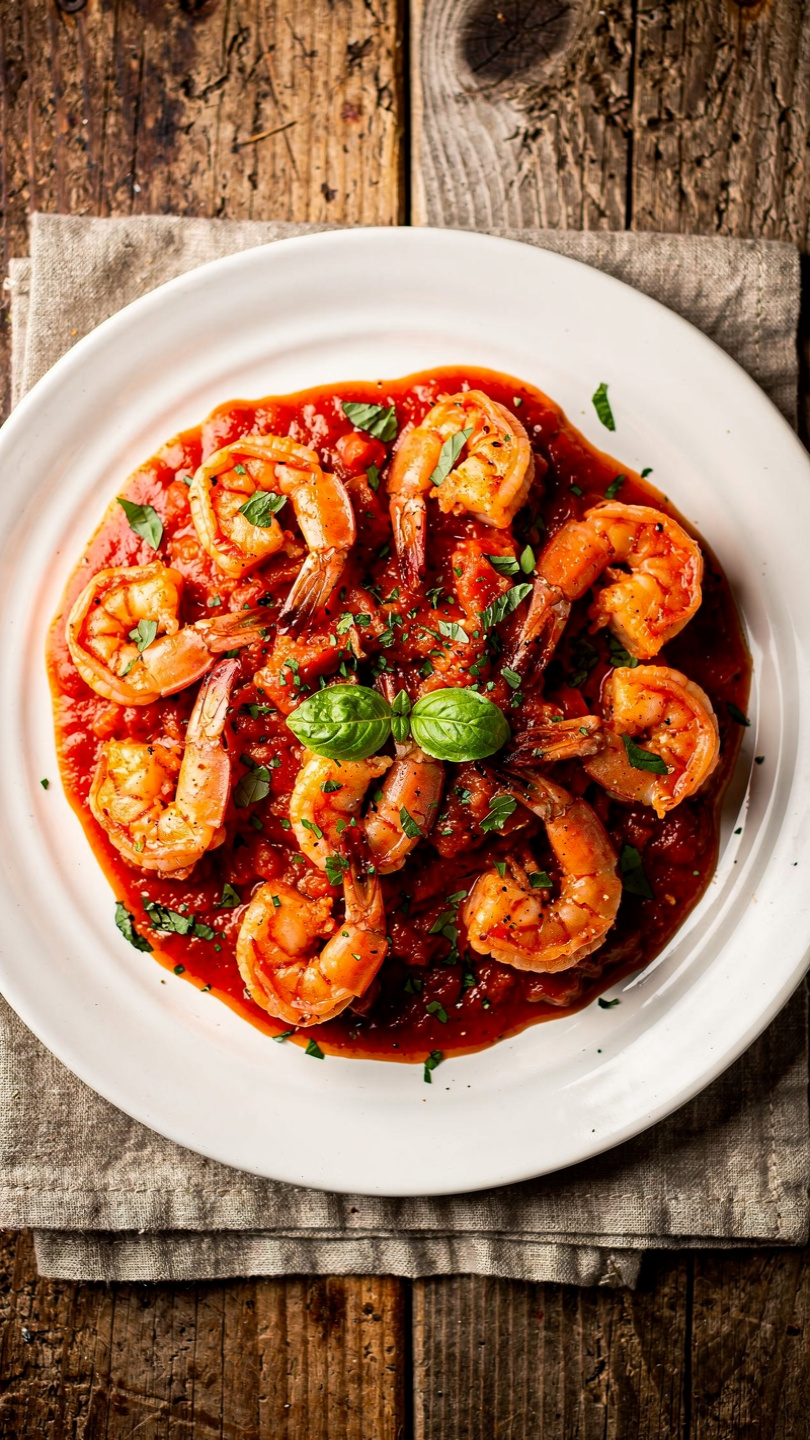
Shrimp Marinara: A Classic Italian-American Pasta That Never Disappoints
This bold and satisfying Shrimp Marinara features plump, tender shrimp simmered in a garlicky, herb-packed red sauce and served over al dente pasta. Ready in under 40 minutes, it is weeknight comfort food at its very best.

The Shrimp Pasta Red Sauce Recipe You Will Make on Repeat
There is something deeply satisfying about a bowl of shrimp marinara. It has that rare quality of feeling both elegant and totally unfussy at the same time. The sauce is rich, garlicky, and bright with tomato. The shrimp are tender and just slightly sweet. Together, tossed with pasta and finished with fresh basil, it is the kind of meal that makes people push back from the table and ask for the recipe.
This shrimp marinara recipe is built on a handful of honest, high-quality ingredients and a technique that keeps the shrimp perfectly cooked every single time. Whether you are making this on a Tuesday night or serving it to guests on the weekend, it delivers every time.
Why This Shrimp Marinara Sauce Works So Well
The secret to a deeply flavorful marinara is not complicated. It comes down to a few things done right.
- San Marzano tomatoes. These Italian plum tomatoes are sweeter, less acidic, and more concentrated than generic crushed tomatoes. They are the foundation of any great shrimp pasta red sauce, and the difference is noticeable.
- Plenty of garlic. Six cloves might sound like a lot, but sliced garlic cooked low and slow in olive oil creates a mellow, nutty depth that minced garlic simply cannot replicate.
- A splash of white wine. This step is optional in name only. It lifts the flavors of the sauce and adds a subtle brightness that rounds everything out beautifully.
- Cooking the shrimp separately first. This is the single most important technique in this recipe. Searing the shrimp on their own in a very hot pan gives them color and flavor before they are added back to the sauce at the end.
Chef's Tip: The number one mistake people make with shrimp is overcooking them. Pull them from the heat when they are about 80 percent done. They will finish cooking in the hot sauce and come out perfectly tender rather than rubbery.
The Right Tools and Ingredients Make All the Difference
For a shrimp and pasta recipe with red sauce like this one, the pan you use matters more than you might think. A wide, heavy skillet gives the shrimp enough room to sear rather than steam, and it gives the sauce plenty of surface area to reduce evenly. A good can of San Marzano tomatoes and high-quality extra virgin olive oil are two places where spending a little more genuinely pays off in the final dish.
Fresh vs. Frozen Shrimp: What to Use
Honestly, frozen shrimp is often the better choice for a recipe like this. Shrimp sold as "fresh" at most grocery store counters has typically been previously frozen and thawed, which means you have less control over how long it has been sitting. Buying a quality bag of individually quick-frozen (IQF) shrimp and thawing them yourself gives you a better product.
For shrimp marinara pasta, look for large or extra-large shrimp (21-25 or 26-30 count per pound). They hold up beautifully in the sauce and give you that satisfying bite. Medium shrimp cook too fast and can get lost in the pasta.
Peel and devein them before cooking. Tails-on makes for a prettier presentation, but tails-off is much more practical for twirling around a fork.
How to Build the Marinara Sauce
A great shrimp marinara sauce comes together in about 15 minutes, but do not rush it. Here is the basic flow:
- Bloom the garlic and pepper flakes in olive oil over medium heat. This infuses the oil with flavor and creates the aromatic backbone of the whole sauce.
- Deglaze with white wine and let it reduce for two minutes. Everything that stuck to the pan during the shrimp sear dissolves back into the sauce right here.
- Add tomato paste and cook it briefly before the crushed tomatoes go in. This small step caramelizes the paste slightly and adds a layer of savory depth.
- Simmer gently for 10 to 12 minutes. You want the sauce to thicken just enough to coat the back of a spoon without becoming heavy or jammy.
- Finish with fresh basil. Stir it in at the very end, off the heat, so it stays bright and fragrant rather than turning dark and bitter.
Chef's Tip: If your sauce tastes sharp or acidic, add a small pinch of sugar. It will not make the sauce sweet. It simply brings the tomato into balance.
Tips for Perfect Shrimp and Marinara Pasta Every Time
- Salt your pasta water generously. It should taste like mild seawater. This is your only chance to season the pasta itself from the inside out.
- Save your pasta water. The starchy, salty liquid is liquid gold for loosening the sauce and helping it cling to every strand of pasta.
- Toss the pasta in the sauce, not the other way around. Adding the pasta directly to the skillet and tossing it over low heat for a minute or two creates a cohesive, restaurant-quality dish.
- Do not crowd the shrimp. If your skillet is not wide enough, cook the shrimp in two batches. Crowding causes steaming, and you want a proper sear.
This is exactly the kind of shrimp with marinara sauce that tastes like it took all afternoon when it actually took less than 40 minutes. Ready to make it? Here is the complete recipe:
Shrimp Marinara: A Classic Italian-American Pasta That Never Disappoints
This bold and satisfying Shrimp Marinara features plump, tender shrimp simmered in a garlicky, herb-packed red sauce and served over al dente pasta. Ready in under 40 minutes, it is weeknight comfort food at its very best.
Ingredients
- 12 oz linguine or spaghetti, or your preferred long pasta
- 1 1/4 lb large shrimp, peeled and deveined, tails on or off
- 3 tbsp olive oil, extra virgin, divided
- 6 garlic cloves, thinly sliced
- 1/2 tsp crushed red pepper flakes, adjust to taste
- 1/2 cup dry white wine, such as Pinot Grigio; sub chicken broth if preferred
- 28 oz crushed San Marzano tomatoes, one standard can
- 2 tbsp tomato paste
- 1/4 cup fresh basil leaves, torn, plus more for garnish
- 1 tsp dried oregano
- 1 tsp kosher salt, plus more for pasta water
- 1/2 tsp black pepper, freshly cracked
- 1/2 tsp sugar, optional, to balance acidity
- 2 tbsp fresh flat-leaf parsley, chopped, for serving
Instruction
Bring a large pot of heavily salted water to a boil. Cook the pasta according to package directions until al dente. Reserve 0.5 cup of pasta water before draining. Drain and set aside.
While the pasta cooks, pat the shrimp completely dry with paper towels and season lightly with salt and pepper.
Heat 2 tablespoons of olive oil in a large, wide skillet over medium-high heat. Add the shrimp in a single layer and cook for 1 to 1.5 minutes per side until just pink and barely cooked through. Do not overcook. Transfer to a plate and set aside.
Reduce the heat to medium. Add the remaining 1 tablespoon of olive oil to the same skillet. Add the sliced garlic and red pepper flakes. Cook, stirring constantly, for about 60 seconds until fragrant and just beginning to turn golden.
Pour in the white wine and let it simmer for 2 minutes, scraping up any browned bits from the bottom of the pan.
Stir in the tomato paste and cook for 1 minute. Add the crushed San Marzano tomatoes, dried oregano, and the optional sugar. Season with salt and pepper. Stir to combine.
Bring the sauce to a gentle simmer and cook uncovered for 10 to 12 minutes, stirring occasionally, until it has thickened slightly and the flavors have melded together.
Return the shrimp to the skillet and nestle them into the sauce. Cook for 1 to 2 minutes until the shrimp are heated through and fully coated. Stir in the torn fresh basil.
Add the drained pasta directly to the skillet. Toss everything together over low heat, adding a splash of reserved pasta water as needed to loosen the sauce and help it cling to the noodles.
Divide among bowls and garnish with fresh parsley, extra basil, and a drizzle of good olive oil. Serve immediately.
Equipment
- Large pot for pasta
- Large wide skillet or saute pan (12-inch recommended)
- Wooden spoon or silicone spatula
- Colander
- Tongs
- Chef's knife and cutting board
Notes
Serving, Storing, and Variations
Serving suggestions: A simple green salad and crusty garlic bread are all you need alongside this shrimp and marinara pasta. A glass of the same dry white wine you used in the sauce is a natural pairing.
Variations worth trying:
- Add a handful of baby spinach or arugula to the pan with the shrimp at the end for a pop of color and nutrition.
- Stir in a pinch of saffron with the tomatoes for a sophisticated twist on the classic shrimp pasta marinara.
- Use zucchini noodles instead of pasta for a lighter, lower-carb version of this shrimp with red sauce.
- A scatter of briny Kalamata olives and capers turns this into something closer to a shrimp puttanesca.
Storage: Leftovers keep in an airtight container in the refrigerator for up to 2 days. Reheat gently on the stovetop over low heat with a splash of water. The pasta will absorb more sauce as it sits overnight, which some people honestly prefer.
However you serve it, this shrimp marinara recipe is one of those reliable, crowd-pleasing dinners that earns a permanent place in your weeknight rotation.